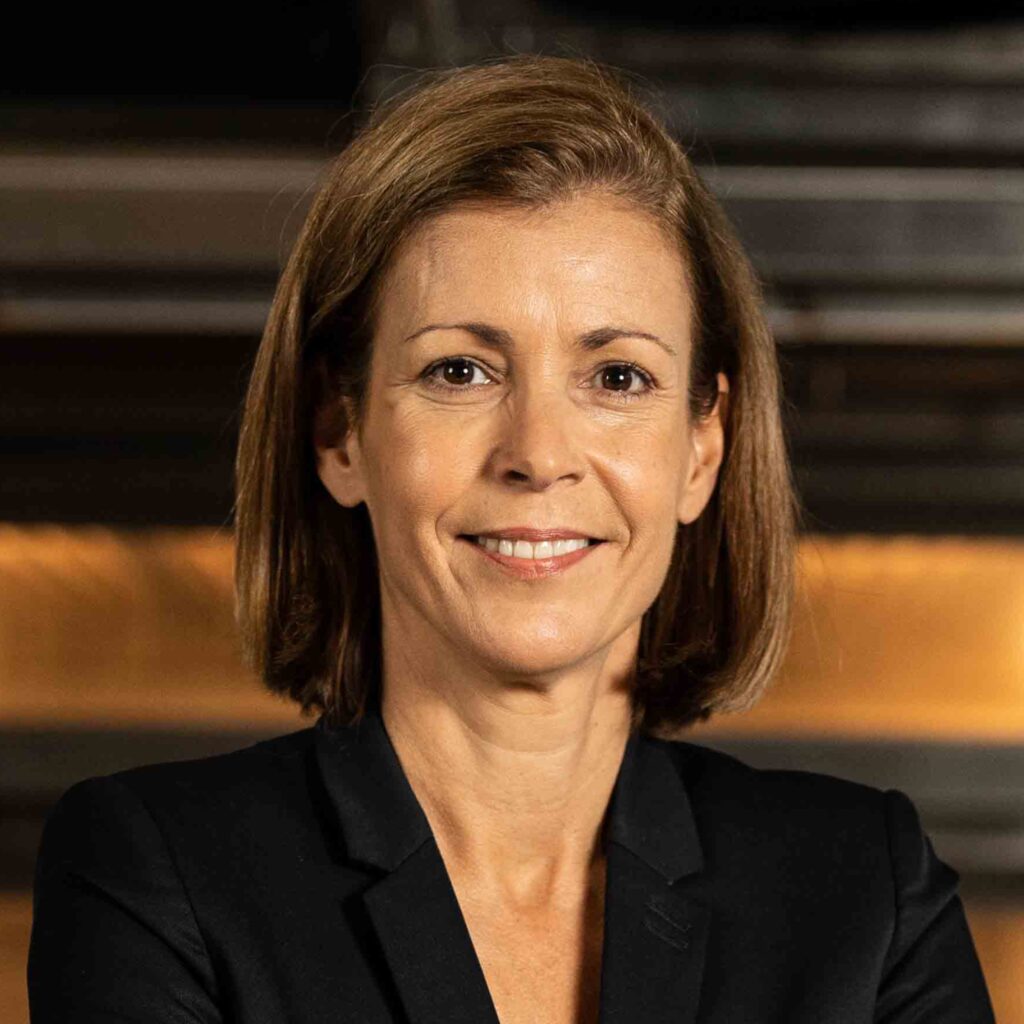
Stephanie started her career as a receptionist in the hospitality industry. Her work philosophy is simple: love what you do, and you will excel at it.
At 28, she left France to join the French Government Tourist Office in New York as Head of Marketing for the US market. She moved to Switzerland in 2007 to follow her husband. After the birth of her son, she earned an Executive MBA from the University of Chicago Booth School of Business.
She later left the PPP sector to contribute to the rejuvenation of the iconic USM Haller modular furniture brand. She was then hired by BMW Switzerland and joined the executive board as Head of Marketing.
When Covid struck, Stephanie decided to step out of her comfort zone and, in 2023, opened the French boulangerie-pâtisserie Juliette – pain d’amour in Zurich. In 2025, she was one of the three finalists for the SEF.WomenAward in the category “Young Entrepreneur of the Year.”
Her passion is contagious. Her drive is inspiring.
I often say I had an overdose of PowerPoint and Excel. More importantly, I was struggling with the growing gap between the vision we communicated and how decisions were actually made.
So I left my comfort zone — not for another corporate role, but to launch an artisan French bakery concept in Zürich. Why bread? Because I wanted to prove that craftsmanship and technology are not opposites. I believed traditional know-how, human skill and passion could become even more powerful when combined with the right technology and data-driven thinking.
Four years later, Juliette – pain d’amour operates four bakeries and an online shop.
The journey challenged many of my assumptions about leadership, entrepreneurship and scale. It taught me that technology can amplify craftsmanship rather than replace it — but only when the human element remains at the center.
From corporate leadership to artisan entrepreneurship, this is a story about navigating tensions: vision versus reality, craftsmanship versus technology, tradition versus innovation, and personal values versus organizational success.
Ultimately, it comes down to one question: Can we build businesses that are both deeply human and technologically advanced — without compromising what makes them special?